Engineering Science and Humanities

Home » UG Programme » Engineering Science and Humanities » About Department

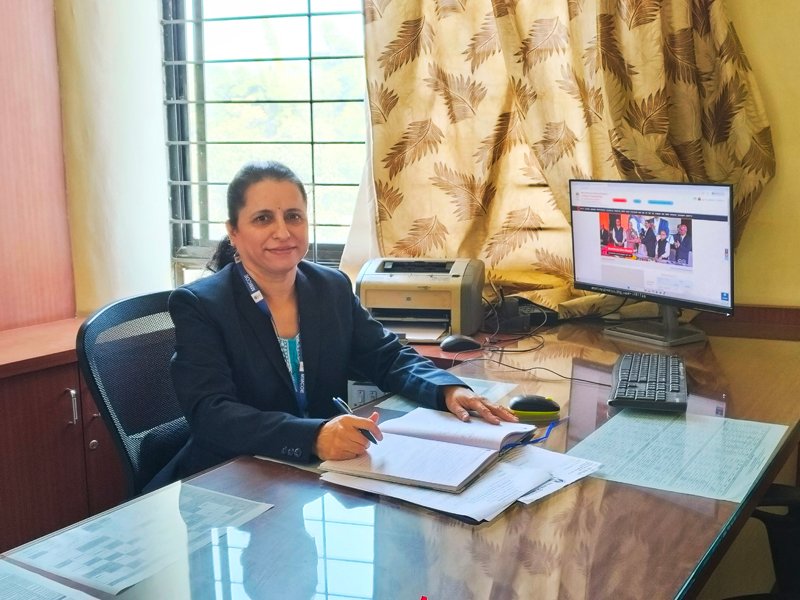
Dr. Alka S. Sawaikar

Head Department of Engineering Science and Humanities

“Technology without science is blind, Science without Technology is lame”

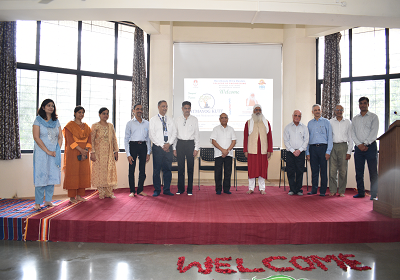
MMCOE is a hub of academic excellence and holistic development, dedicated to nurturing future engineers with the skills, knowledge, and values required to shape a better tomorrow. The Engineering Science and Humanities department, serves as a gateway for all six branches of engineering, while nurturing curiosity, innovation, and teamwork.

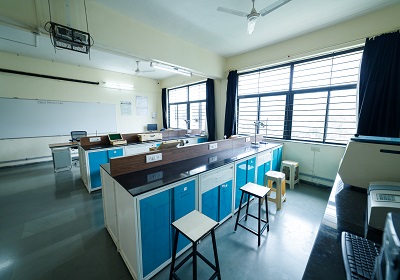
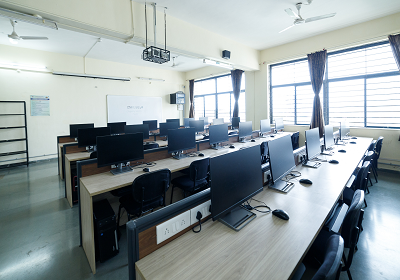
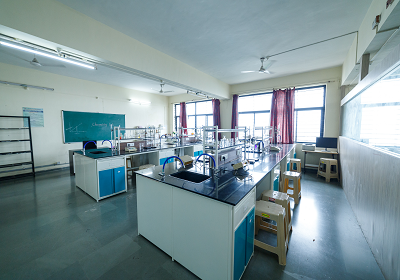
With well equipped spacious laboratories, state-of-the-art infrastructure, experienced faculty, and an industry-aligned curriculum, we ensure students gain a detailed understanding of engineering principles. Our interdisciplinary approach promotes adaptability and critical thinking, preparing students to tackle real-world challenges.

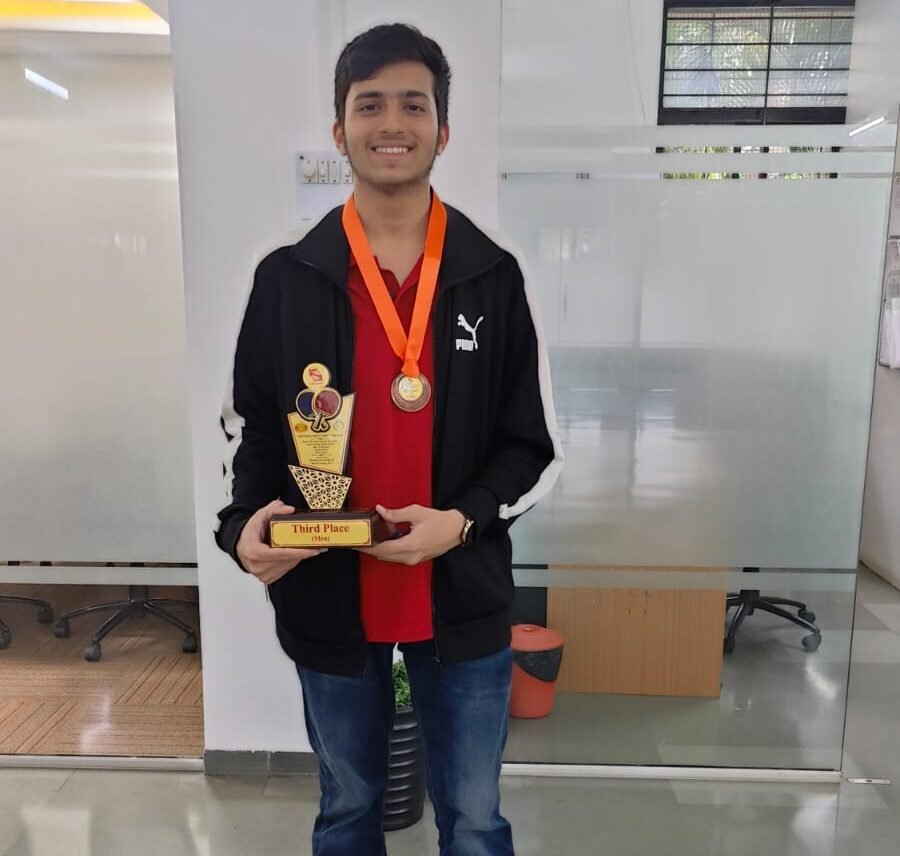
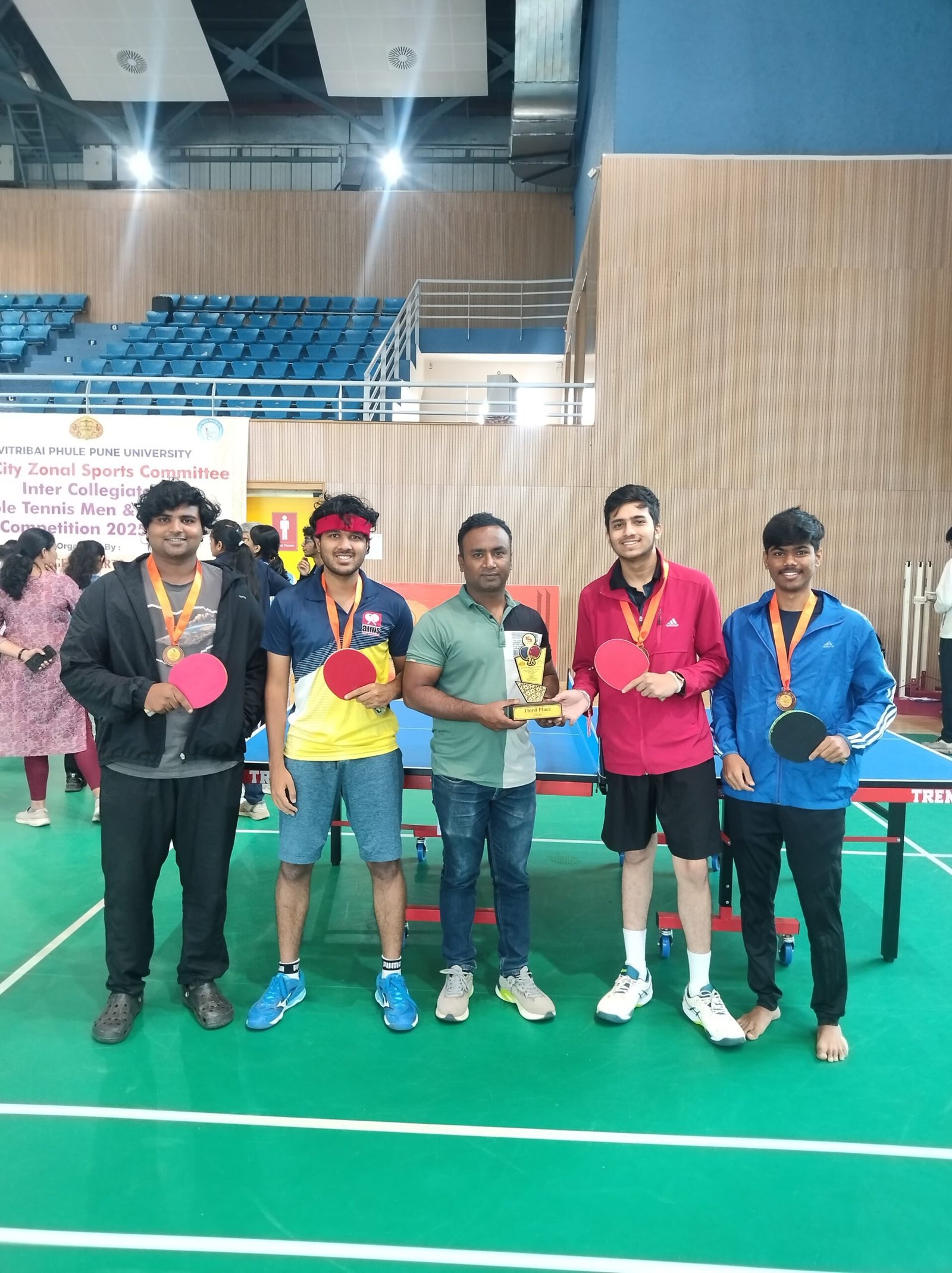
Beyond academics, we emphasize the overall development of students through various co-curricular and extracurricular activities, including technical clubs, cultural events, sports etc. These initiatives help students cultivate leadership qualities and communication skills, with a sense of social responsibility.

Guided by the motto of the institution ‘Welfare of Masses’, the institution strives to instill ethical values and a commitment towards society. We aim to create a pathway for the budding professionals who later excel in their respective fields and are dedicated to driving sustainable development and innovation for societal progress.

Department Highlights

Vision

To be a globally renowned institution through excellence in engineering education for holistic and sustainable development

Mission

  • M1: Empower students with cutting-edge technologies and global competencies
  • M2: Foster culture of research and entrepreneurial mindset
  • M3: Imbibe social and professional values
  • M4: Provide an inclusive environment for lifelong learning

  • WK1: A systematic, theory-based understanding of the natural sciences applicable to the discipline and awareness of relevant social sciences.
  • WK2: Conceptually-based mathematics, numerical analysis, data analysis, statistics and formal aspects of computer and information science to support  detailed analysis and modelling applicable to the discipline.
  • WK3: A systematic, theory-based formulation of engineering fundamentals  required in the engineering discipline.
  • WK4: Engineering specialist knowledge that provides theoretical frameworks  and bodies of knowledge for the accepted practice areas in the engineering  discipline; much is at the forefront of the discipline.
  • WK5: Knowledge, including efficient resource use, environmental impacts, whole-life cost, re-use of resources, net zero carbon, and similar concepts, that  supports engineering design and operations in a practice area.
  • WK6: Knowledge of engineering practice (technology) in the practice areas in  the engineering discipline.
  • WK7: Knowledge of the role of engineering in society and identified issues in  engineering practice in the discipline, such as the professional responsibility of  an engineer to public safety and sustainable development.
  • WK8: Engagement with selected knowledge in the current research literature of  the discipline, awareness of the power of critical thinking and creative  approaches to evaluate emerging issues.
  • WK9: Ethics, inclusive behavior and conduct. Knowledge of professional ethics,  responsibilities, and norms of engineering practice. Awareness of the need for  diversity by reason of ethnicity, gender, age, physical ability etc. with  mutual understanding and respect, and of inclusive attitudes.

A Graduate of the Computer Engineering Program will be able to

  • PO1: Engineering Knowledge: Apply knowledge of mathematics, natural science,  computing, engineering fundamentals and an engineering specialization as specified in (WK1 to WK4) respectively to develop the solution of complex engineering problems.

  • PO2: Problem Analysis: Identify, formulate, review research literature and  analyze complex engineering problems reaching substantiated conclusions with  consideration for sustainable development. (WK1 to WK4)

  • PO3: Design/Development of Solutions: Design creative solutions for  complex engineering problems and design/develop systems/components/processes to  meet identified needs with consideration for the public health and safety, whole-life cost,  net zero carbon, culture, society and environment as required. (WK5)

  • PO4: Conduct Investigations of Complex Problems: Conduct investigations of complex  engineering problems using research-based knowledge including design of experiments,  modelling, analysis & interpretation of data to provide valid conclusions. (WK8).

  • PO5: Engineering Tool Usage: Create, select and apply appropriate techniques,  resources and modern engineering & IT tools, including prediction and modelling recognizing their limitations to solve complex engineering problems. (WK2  and WK6)

  • PO6: The Engineer and The World: Analyze and evaluate societal and  environmental aspects while solving complex engineering problems for its impact on  sustainability with reference to economy, health, safety, legal framework, culture and environment. (WK1, WK5, and WK7).

  • PO7: Ethics: Apply ethical principles and commit to professional ethics, human values,  diversity and inclusion; adhere to national & international laws. (WK9)

  • PO8: Individual and Collaborative Team work: Function effectively as an individual,  and as a member or leader in diverse/multi-disciplinary teams.

  • PO9: Communication: Communicate effectively and inclusively within the  engineering community and society at large, such as being able to comprehend and  write effective reports and design documentation, make effective  presentations considering cultural, language, and learning differences

  • PO10: Project Management and Finance: Apply knowledge and understanding of engineering management principles and economic decision-making and apply these to  one’s own work, as a member and leader in a team, and to manage projects and in  multidisciplinary environments.

  • PO11: Life-Long Learning: Recognize the need for, and have the preparation and  ability for i) independent and life-long learning ii) adaptability to new and  emerging technologies and iii) critical thinking in the broadest context of technological  change. (WK8)

  • PEO1: To impart core knowledge and develop skills to identify, analyze and solve electrical engineering problems.
  • PEO2: To inculcate professional ethics and usage of modern tools as per technological advancements to achieve sustainable career growth.
A Graduate of the Computer Engineering Program will be able to
  • Engineering Knowledge: Apply the knowledge of mathematics, science, engineering fundamentals, and an engineering specialization to the Solution of Complex engineering problems.
  • Problem Analysis : Identify, formulate, review research literature, and analyze complex engineering problems reaching Substantiated conclusions using first principles of mathematics, natural sciences, and engineering sciences.
  • Design/Development of Solutions: Design solutions for complex engineering problems and design system components or processes that meet the specified needs with appropriate consideration for the public health and safety, and the cultural, societal, and environmental considerations.
  • Conduct Investigations of Complex Problems: Use research-based knowledge and research methods including design of experiments, analysis and interpretation of data, and synthesis of the information to provide valid conclusions for complex problems.
  • Modern Tool Usage: Create, select, and apply appropriate techniques, resources, and modern engineering and IT tools including prediction and modeling to complex engineering activities with an understanding of the limitations.
  • The Engineer and Society: Apply reasoning informed by the contextual knowledge to assess societal, health, safety, legal and cultural issues and the consequent responsibilities relevant to the professional engineering practice.
  • Environment and Sustainability : Understand the impact of the professional engineering solutions in societal and environmental contexts, and demonstrate the knowledge of, and need for sustainable development.
  • Ethics : Apply ethical principles and commit to professional ethics and responsibilities and norms of the engineering practice.
  • Individual and Team Work Function effectively as an individual, and as a member or leader in diverse teams, and in multidisciplinary settings.
  • Communication: Communicate effectively on complex engineering activities with the engineering community and with society at large, such as, being able to comprehend and write elective reports and design documentation, make elective presentations, and give and receive clear instructions.
  • Project Management and Finance: Demonstrate knowledge and understanding of the engineering and management principles and apply these to one’s own work, as a member and leader in a team, to manage projects and in multidisciplinary environments. 12. Life-long Learning Recognize the need for, and have the preparation and ability to engage in independent and life-long learning in the broadest context of technological change.
Electrical Engineering graduates will be able to:
  • Design, develop and test AC-AC, AC-DC and DC-DC converters, variable DC power supply by using power electronics components to fulfill electrical engineering requirements.
  • Design and develop LT distribution and PLC control panel using suitable switchgears, sensors, Push buttons, Selector switches as per IEC standards and integrate it in smart automation.
  • Design and compute PV cell/PV array performance parameters, simulate/analyze the PV system performance, estimate the cost and payback period of the solar PV system to experiment and build a solar PV system.

Toppers List A.Y 2024-25

Scroll to Top